Exploring Irma Stern's artistic journey at the Norval Foundation
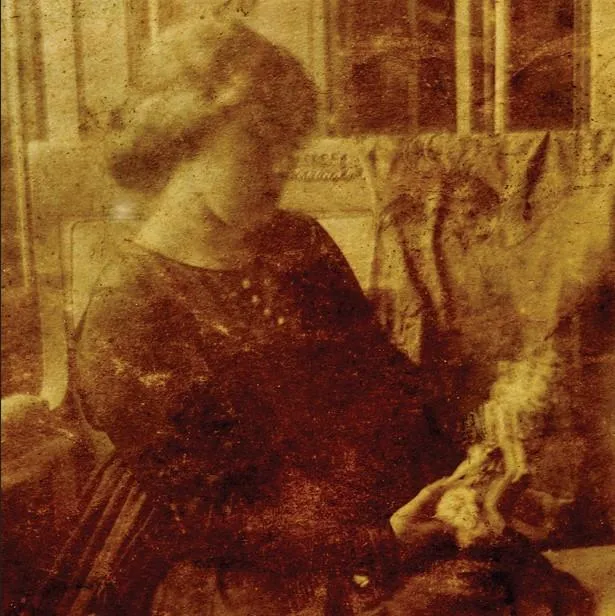
Irma Stern in Berlin, where she studied and became part of the German Expressionist movement.
Image: Supplied
Irma Stern’s life was shaped by constant travel and change, across countries, cultures, and historical upheavals.
These experiences inspired her art and are at the heart of Irma Stern: A life of displacement, opening at Norval Foundation.
The exhibition opens to the public on Thursday, February 12, at the Tokai-based museum and marks the beginning of a major new series exploring different periods of the artist’s life and travels.
It marks the beginning of an ambitious two-year programme that will trace Ms Stern’s journeys, personal upheavals and artistic evolution through a series of four shows, presented in partnership with the Irma Stern Trust and Nedbank.
For long-time admirers of Ms Stern’s bold, expressive style - and for those discovering her for the first time - the exhibition offers a chance to look beyond the canvas and into the life experiences that shaped her work.
According to the Norval Foundation, Ms Stern was born in 1894 to German Jewish parents in Schweizer Reneke.
Her childhood was marked by movement between South Africa and Germany, an unsettled start that would echo throughout her life. She later studied art in Berlin and Weimar during World War I, where she became associated with the German Expressionist movement.
Her rising success in Europe was cut short by the rise of Nazism and increasing antisemitism, which forced her return to South Africa.
Back home, she found herself an outsider once again, as her modern Expressionist style was dismissed by a conservative local art establishment. Despite this, she continued to travel widely, painting in regions including Eswatini, Zululand, the Transkei, Senegal, the Congo and Zanzibar.
According to Karel Nel, senior curator at the Norval Foundation, the exhibition series reflects the many upheavals that defined Ms Stern’s life.
He said Stern’s life was marked by a series of displacements, the most recent being the removal of her works from her longtime home and museum, The Firs in Rosebank, which closed last year.
For more than five decades, The Firs gave visitors an intimate look into Stern’s world - from her studio to the rooms filled with the African and Asian objects she collected.
However, following the University of Cape Town's decision to end its custodianship of the property, the Irma Stern Trust faced the difficult choice to temporarily close the museum due to serious structural and conservation concerns.
Mr Nel explained that an agreement between the Trust, Nedbank and the Norval Foundation will result in four curated exhibitions over the next two years, each focusing on different phases of her life and the displacements that shaped her.
These range from her childhood during the Anglo-Boer War to her studies in Germany during World War I, her flourishing European career, and her eventual return to South Africa as the political climate in Germany darkened.
Visitors can also expect to see works that have seldom been on public view.
Mr Nel said both well-known and more obscure drawings, paintings, artefacts and pieces of furniture from Stern’s collection will be included across the series.
The first exhibition highlights works from her Berlin years, while later shows will focus on pieces created in South Africa, her travels in the Congo and Zanzibar, and her later works made in Spain, France and Madeira.
According to the Norval Foundation, the broader programme is intended to keep Ms Stern’s art accessible while the collection is moved to a new custom-built storage facility.